Common Hydraulic Problems in Mining and Quarry Equipment
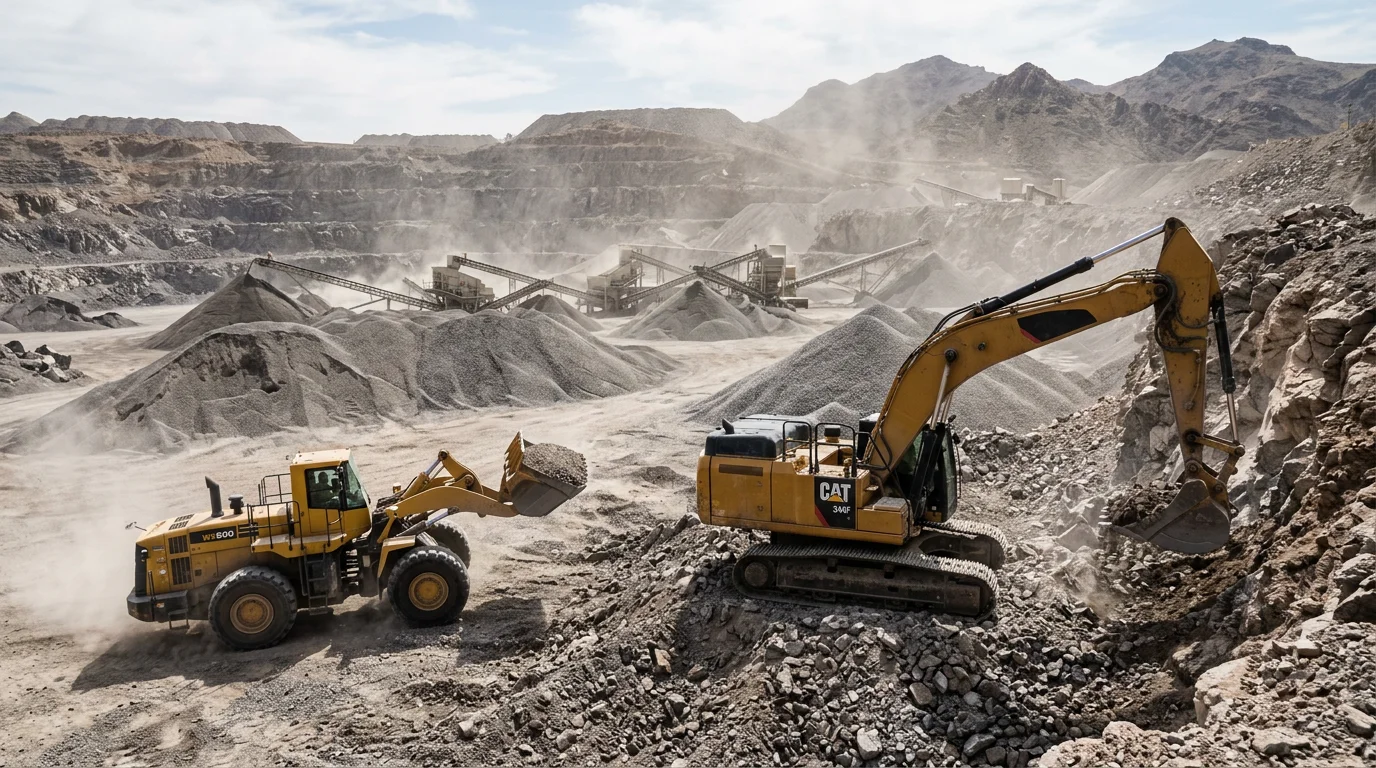
Mining and quarry equipment operates in demanding conditions where dust, debris, heavy loads, vibration, moisture, and long operating hours can place continuous stress on hydraulic systems. Common problems include damaged hoses, contaminated fluid, leaking cylinders, overheating, pressure loss, and slow or uneven movement. Recognizing these issues early can help prevent larger failures and prolonged equipment downtime.
Why Hydraulic Problems Are Common in Mining and Quarry Operations
Hydraulic systems provide the force needed to lift, push, dig, steer, and move material. Wheel loaders, excavators, haul trucks, drills, dozers, crushers, and other heavy equipment may rely on multiple hydraulic components working together.
Mining and quarry environments can be especially hard on those components. Hydraulic hoses may rub against metal or come into contact with rock and debris. Dust can enter through damaged seals or during maintenance. Cylinders are exposed to impact, heavy loads, and contaminants. Heat may build when equipment operates for long periods with little downtime.
A small leak or damaged hose can quickly become a much larger problem when equipment continues working under these conditions.
1. Hydraulic Fluid Contamination
Contaminated hydraulic fluid is one of the most serious threats to mining and quarry equipment. Dirt, fine rock dust, water, metal particles, and other contaminants can interfere with lubrication and damage internal components.
Possible signs of contamination include:
- Cloudy, milky, or unusually dark hydraulic fluid
- Foaming inside the reservoir
- Erratic or jerky equipment movement
- Unusual noises
- Overheating
- Rapid filter restriction
- Repeated seal or component problems
Contamination can enter through damaged seals, dirty fill equipment, open reservoirs, worn components, or improper maintenance procedures. Once contamination begins circulating, it can affect valves, cylinders, motors, pumps, and other parts of the system.
Our article about hydraulic fluid contamination and equipment performance explains why clean fluid is so important to hydraulic reliability.
2. Hose Abrasion and External Damage
Mining equipment hoses often operate near moving components, rough surfaces, sharp edges, heat, and falling debris. Repeated rubbing can gradually wear through the outer cover and expose the reinforcement underneath.
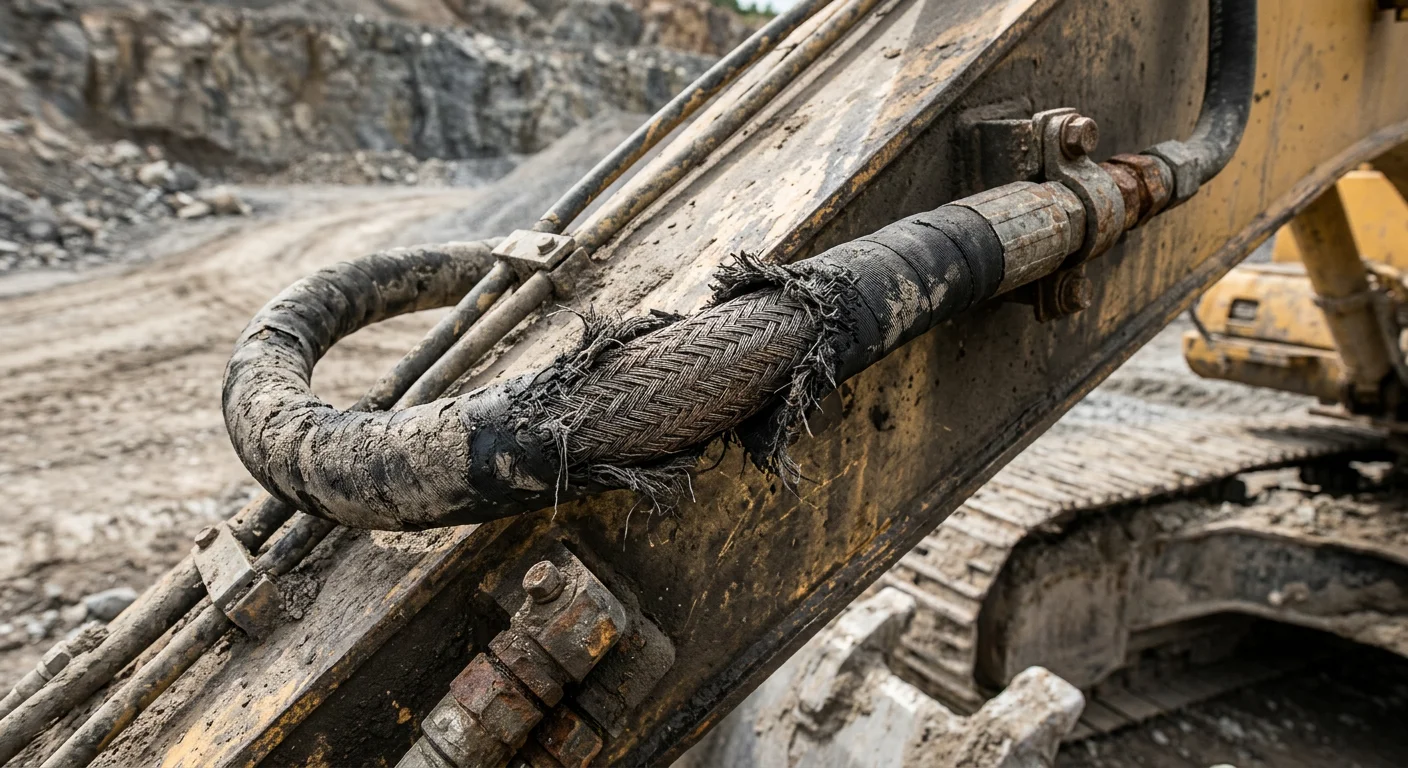
Operators and maintenance teams should watch for:
- Cracked or worn hose covers
- Exposed reinforcement
- Flattened or crushed areas
- Blisters or bubbles
- Kinks
- Wetness around the hose or fittings
- Hoses rubbing against other hoses or equipment
- Oil collecting on nearby components
A hose that repeatedly fails may have an underlying routing, movement, heat, pressure, or abrasion problem. Simply replacing it without looking for the cause can lead to another breakdown.
Learn more about recognizing hydraulic hose damage and deciding when replacement is needed.
3. Leaking or Drifting Hydraulic Cylinders
Hydraulic cylinders used on heavy equipment must repeatedly move and hold substantial loads. Worn seals, contaminated fluid, damaged rods, and internal wear can allow fluid to bypass or escape.
Common cylinder symptoms include:
- Fluid leaking around the rod or gland
- A load that slowly lowers when controls are neutral
- Weak lifting or pushing force
- Jerky cylinder movement
- A cylinder that will not fully extend or retract
- Visible rod scoring, pitting, bending, or impact damage
- Uneven movement under load
Cylinder drift does not always mean the cylinder itself is the only possible problem. Valves and other system components can sometimes produce similar symptoms. The equipment should be properly inspected before deciding what needs to be repaired or replaced.
Read more about common hydraulic cylinder problems and possible repair options.
4. Hydraulic System Overheating
Mining and quarry equipment often operates under sustained loads, which makes heat control especially important. Excessive hydraulic temperature can reduce fluid performance and accelerate damage to seals, hoses, and other components.
Possible contributors include:
- Low hydraulic fluid
- Contaminated or incorrect fluid
- Restricted filters
- Blocked or dirty coolers
- Internal leakage
- Restricted flow
- Components operating under excessive load
- A pump, valve, motor, or cylinder problem
Heat should not be treated as a normal result of hard work without further investigation. If a system suddenly begins operating hotter than usual, something may have changed.
5. Slow, Weak, or Erratic Hydraulic Movement
A loader bucket that lifts slowly, an attachment that lacks force, or a cylinder that moves inconsistently may indicate a hydraulic problem.
Possible causes can include:
- Low fluid
- Air entering the system
- Contaminated fluid
- A restricted filter
- An internally leaking cylinder
- A damaged hose
- A valve problem
- Pump wear
- A hydraulic motor problem
- Excessive heat
Several different failures can produce similar symptoms. Replacing parts based only on the symptom can waste time and money. A broader inspection helps identify whether the problem is isolated to one component or affecting the entire hydraulic system.
6. Fluid Leaks Around Fittings and Connections
Vibration, movement, damaged fittings, incorrect assembly, and worn sealing surfaces can contribute to leaks around hydraulic connections.
Even a small leak deserves attention. Hydraulic fluid loss can lower the reservoir level, introduce contamination, create slippery working conditions, and indicate a developing component failure.
Never use a bare hand to search for a suspected high-pressure leak. Escaping hydraulic fluid can penetrate skin and cause a serious medical emergency. Shut the equipment down and follow the manufacturer's safety and pressure-relief procedures before inspecting hydraulic components.
Our guide to why hydraulic fluid leaks should never be ignored covers additional warning signs.
7. Water and Moisture in Hydraulic Fluid
Outdoor mining and quarry equipment may be exposed to rain, condensation, temperature changes, and equipment washing. Moisture can enter through damaged seals, reservoir openings, breathers, or improper storage and handling.
Milky hydraulic fluid is a common warning sign that water may be present. Water can reduce lubrication, contribute to corrosion, affect additives, and interfere with system performance.
Changing the fluid without identifying how moisture entered the system may allow the problem to return.
8. Problems Caused by Delayed Maintenance
Hydraulic failures do not always happen without warning. Small changes in equipment behavior may appear before a major breakdown.
Watch for:
- New leaks
- Increasing operating temperature
- Slower cycle times
- Unusual vibration or noise
- Fluid that changes color or appearance
- Repeat hose failures
- Cylinders that will not hold position
- Declining lifting or pushing force
- Frequent filter problems
Regular inspections allow worn hoses, loose connections, fluid problems, and visible cylinder damage to be addressed before equipment stops working.
Review these signs that a hydraulic system may need immediate attention.
What to Do When Mining Equipment Develops a Hydraulic Problem
If a hydraulic problem appears during operation:
- Stop using the affected function when it is safe to do so.
- Park and secure the equipment according to the manufacturer's procedures.
- Relieve stored hydraulic pressure before inspecting or disconnecting components.
- Do not touch suspected high-pressure leaks.
- Note when the problem occurs and which functions are affected.
- Look for visible leaks, damaged hoses, unusual fluid, or obvious cylinder damage from a safe distance.
- Contact a hydraulic repair professional before a minor problem becomes a larger failure.
When calling for assistance, provide the equipment type, location, affected component, symptoms, and whether the machine can be moved. Photographs of the damaged area may also help the repair provider understand the situation before work begins.
Hydraulic Repair for Mining and Quarry Equipment in East Tennessee
Hillbilly Hydraulics provides hydraulic repair and replacement services in East Tennessee for industrial, commercial, agricultural, forestry, transportation, and mining equipment.
Services include hydraulic hose fabrication and repair, cylinder repair and rebuilding, related equipment maintenance, and mobile hydraulic service where appropriate.
If mining or quarry equipment is leaking, moving slowly, overheating, or repeatedly damaging hoses, contact Hillbilly Hydraulics to discuss the equipment and repair needs.
Frequently Asked Questions
What are the most common hydraulic problems in mining equipment?
Common problems include hydraulic hose damage, fluid contamination, cylinder leaks, overheating, pressure loss, water in the fluid, and slow or erratic movement. The exact cause requires inspection because several components can produce similar symptoms.
Why do hydraulic hoses fail so often on quarry equipment?
Quarry equipment exposes hoses to abrasion, vibration, debris, tight routing, heavy movement, heat, and demanding operating cycles. A repeat failure may indicate a routing, pressure, movement, or component problem that should be investigated.
What causes a hydraulic cylinder to drift under load?
Cylinder drift may be related to internal seal leakage, cylinder wear, valve leakage, contamination, or another system problem. The cylinder and related hydraulic components should be inspected before deciding what to repair.
What does milky hydraulic fluid mean?
Milky fluid often indicates that water has mixed with the hydraulic oil. The source of the moisture should be identified before the system is returned to regular operation.
Can mining equipment hydraulic repairs be completed on-site?
Some hose and equipment services may be completed on-site, depending on the location, damage, equipment, and parts required. More extensive cylinder or component work may need to be completed at the shop. Call Hillbilly Hydraulics to discuss the situation and service availability.
When should mining equipment be shut down because of a hydraulic problem?
Shut the equipment down when continued operation could be unsafe or cause additional damage. High-pressure leaks, significant fluid loss, overheating, sudden loss of control, damaged hoses, and unusual movement require immediate attention.
Need Hydraulic Service?
HillBilly Hydraulics provides expert hydraulic cylinder and hose repair and service throughout East Tennessee. Contact us today for fast, reliable service.
Contact Us TodayProudly located in East Tennessee